
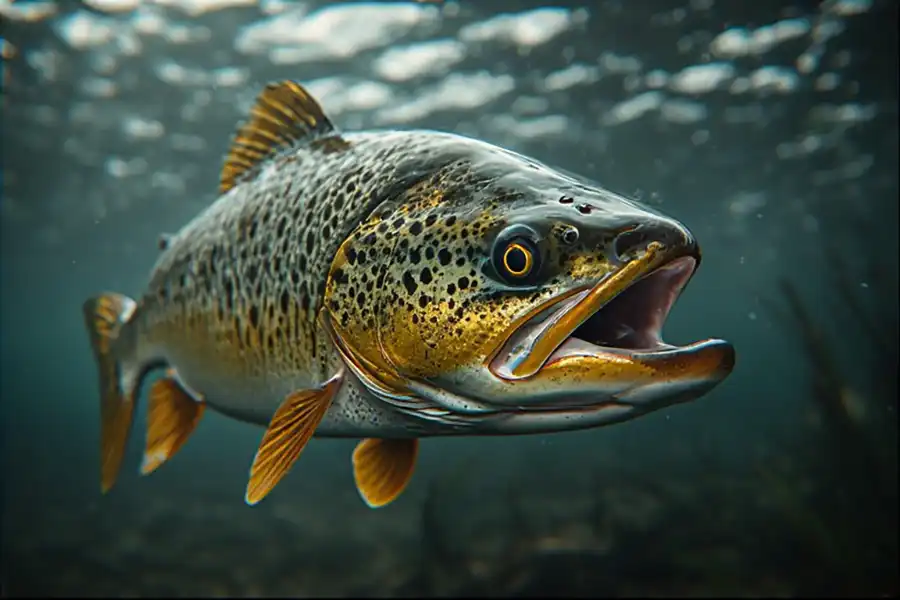
Galveston is a premier destination for coastal anglers, offering miles of dynamic shorelines, deep shipping channels, and expansive flats. But if you want to consistently bring home a cooler full of “specks,” timing is everything. Understanding the best time to catch speckled trout in Galveston requires more than just picking a random weekend on the calendar. It demands a working knowledge of seasonal weather patterns, tidal movements, and the unique biology of the fish.
Whether you are a seasoned local or planning your first coastal trip, mastering these variables will dramatically increase your hook-up rate. Let’s dive into the ultimate guide for timing your next Galveston trout adventure.
The Seasonal Guide to Speckled Trout in Galveston
Trout are highly responsive to environmental changes. As the seasons shift, so their locations and feeding patterns. Tracking the seasonal migration patterns of spotted seatrout is the foundation of consistent success.
Spring: The Spawn and the Shallow Bite
Spring is arguably the most exciting time for Galveston anglers. As days lengthen, the Galveston Bay water temperature for trout begins to climb into the upper 60s and low 70s. This temperature shift triggers the speckled trout spawning season Texas anglers eagerly anticipate.
During this time, large egg-laden females move into shallower waters over grass beds and shell reefs to feed aggressively. May and June are peak months. Target areas where tidal currents sweep baitfish across oyster reefs.
Summer: Beat the Heat
When the Texas summer sets in, water temperatures can soar, pushing oxygen levels down in the shallows. During July and August, the early bird gets the worm—or rather, the trout. You need to be on the water before sunrise to capitalize on the early morning bite.
By mid-day, trout at retreat to deeper, cooler waters. This makes night fishing for trout Galveston jetties an incredibly productive summer tactic. Fishing under the cover of darkness with glowing lures or live shrimp under lights allows you to avoid the brutal sun while targeting actively feeding fish. Additionally, if you plan to fish the beachfront, learning how to read Galveston surf conditions is vital. Look for days with light north winds and green water pushing close to the sand.
Fall: The Great Shrimp Run
Fall is a transitional period and often offers the fastest action of the year. As the first minor cold fronts push through, white shrimp begin their mass exodus from the back lakes and marshes into the main bay. The foraging habits of Galveston speckled trout shift entirely to gorging on these migrating shrimp. Look for working birds (gulls hovering and diving) to locate schools of trout feeding in a frenzy just beneath the surface.
Winter: Deep Water and Patience
Many anglers hang up their rods in January, but winter holds massive, trophy-sized trout for those willing to brave the chill. If you are wondering where do speckled trout go in winter, the answer is deep water. They migrate into bayous, deep channels, and mud-bottomed basins that retain heat better than shallow sand flats.
Catching trout after a Texas cold front requires a shift in strategy. The fish become lethargic, so you must drastically slow down your presentation. Suspending baits like a Corky or heavily weighted soft plastics bounced slowly along the bottom are your best bets.
Tides, Moons, and Feeding Windows
Even if you pick the right season, you still need to fish at the right time of day.
If you are asking what tide is best for speckled trout, the golden rule is simple: moving water. Whether it is an incoming or outgoing tide, water movement pushes baitfish, shrimp, and crabs, triggering trout to feed. An incoming tide often brings cleaner, saltier water from the Gulf, which is highly favorable.
Moon phases also play a pivotal role. The best moon phases for saltwater fishing are typically the days leading up to and immediately following a full moon or new moon, as these periods generate the strongest tidal currents. To pinpoint exact feeding windows, smart anglers rely on solunar charts for Texas Gulf Coast waters. These charts predict major and minor feeding times based on the gravitational pull of the sun and moon.
Water Quality: Clarity and Salinity
You can have the right tide and the right moon, but if the water is a muddy mess, your odds plummet. Finding clear water in Galveston Bay is half the battle. Trout are visual ambush predators. Look for “trout green” water—water that has a slightly milky green tint with a few feet of visibility. Avoid waters that look like chocolate milk, which is often the result of heavy rain runoff or high winds churning up mud.
Salinity is another critical factor. While trout can tolerate a wide range of salt levels, the optimal salinity levels for trophy trout typically hover between 15 and 25 parts per thousand (ppt). Prolonged heavy rains that dump fresh water into the bay will push trout out toward the jetties or the lower bay where the water remains saltier.
Top Tactics: Gear and Approaches
Once you have timed your trip perfectly, you need the right approach. Here are two major debates every Galveston angler faces:
- Live bait vs artificial lures for trout: If your goal is guaranteed action and numbers, live croaker (in the summer) or live shrimp under a popping cork (year-round) are unbeatable. However, artificial lures—like soft plastic paddletails, topwater walkers, and slow-sinking twitch baits—allow you to cover water much faster and are often preferred by anglers targeting solitary, trophy-sized fish.
- Wading vs drifting Galveston West Bay: Wading offers unparalleled stealth. It allows you to thoroughly dissect a grass flat or shell reef without the hull slap of a boat spooking the fish. Drifting, on the other hand, is excellent for locating scattered fish across vast expanses of water. Drift until you get a bite, then drop an anchor or Power-Pole to work the school.
Accelerate Your Learning Curve
Learning the intricacies of Galveston’s complex bay system takes years of on-the-water experience. If you want to bypass the trial and error, hiring a professional guide is the best investment you can make. Guides have their fingers on the pulse of the bay daily. Check out resources like https://justcastcharters.com/galveston-bay-fishing/ to book a trip with local experts who know exactly where the fish are biting, regardless of the season or tide.
Fishing Thoughts
The best time to catch speckled trout in Galveston ultimately depends on what you are looking for. Spring and fall offer comfortable weather and aggressive feeding frenzies. Summer provides excellent early morning and night fishing opportunities, while winter is the time to hunt for your personal best.
By paying close attention to water temperatures, moving tides, moon phases, and water clarity, you can turn a slow day of casting into an unforgettable day of catching. Rig your rods, check the tide charts, and get out on the water—Galveston Bay is waiting.
Just Cast Charters
715 N Holiday Dr,
Galveston, TX 77550
(409) 209-7999